
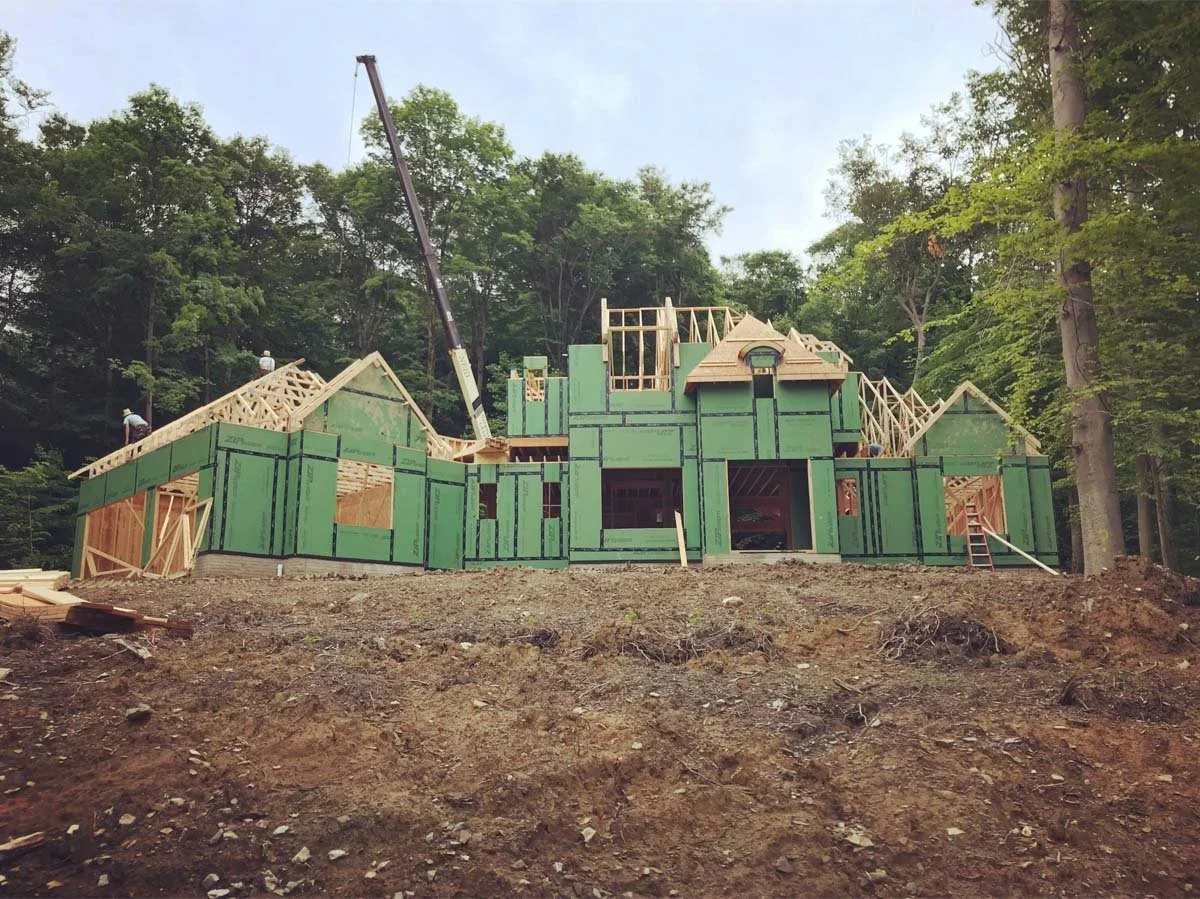
A beautiful lot is only the beginning. The land itself shapes what can be built on it.
Most homeowners spend months choosing finishes, floor plans, and features for their future custom home.
Far fewer spend that same energy evaluating the land they’ll build on.
But the lot itself can have just as much impact on the home, and the overall project, as any decision that comes later.
A beautiful piece of land doesn't always make an easy building site. Wooded acreage, a scenic slope, a quiet cul-de-sac — none of that tells you what's underneath the surface, what utilities will cost to bring in, or what your municipality will actually allow you to build.
By the time those answers surface, many buyers have already closed on the land.
At EKA Build, we've found that the biggest surprises often aren't visible when you're walking the property. They show up later, during planning and construction.
If you're planning to buy land in Northeast Ohio, this guide walks through what to look for before you make an offer, so the lot you fall in love with is also one your builder can say yes to with confidence.
Have land, or still looking? Let's talk about what's possible.
Soil and Grading
Not all ground is created equal, and in Northeast Ohio, it varies more than people expect from one township to the next.
Many of the most expensive site issues begin below the surface.
Has the soil been tested? Are there signs of clay-heavy soil, a high water table, or exposed bedrock? Will the lot require significant grading before a foundation can go in?
Soil conditions affect your foundation type, your drainage plan, and your site prep costs, sometimes by thousands of dollars. A lot that looks flat and ready can still require expanded grading once the topsoil is stripped away.
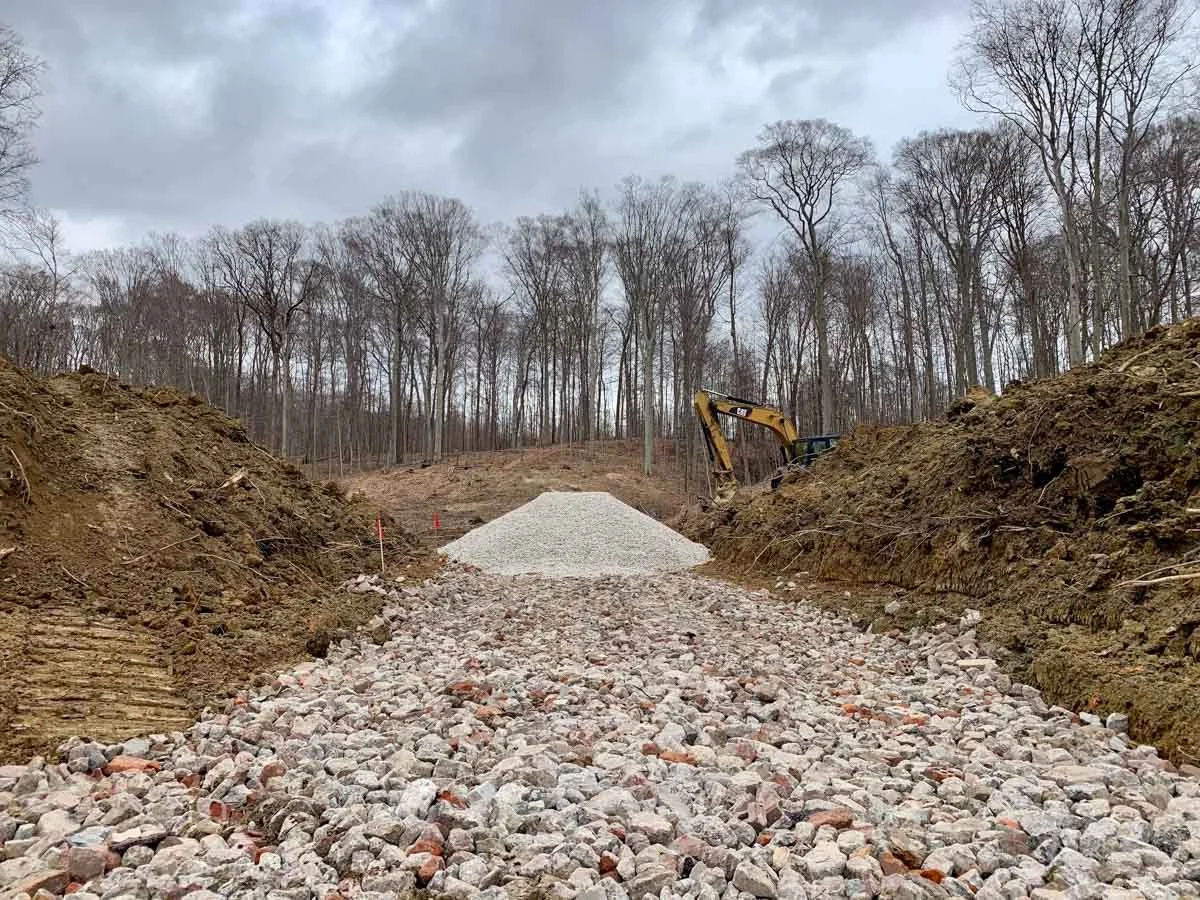
Site preparation and grading can reveal challenges that aren't visible when you first walk the land.
Slope and Drainage
A sloped lot can make for a stunning walkout basement or a dramatic elevation. It can also mean retaining walls and water management work.
Which direction does the lot drain? Does water pool anywhere on the property after rain? Will the slope require additional engineering for the foundation?
Water always finds the low point. Understanding how it moves across a lot before you build is far easier, and far cheaper, than solving a drainage problem after the house is up.
Utilities and Access
City water and sewer aren't a given once you're outside the more developed pockets of Northeast Ohio. That doesn't necessarily mean a lot is difficult to build on, but it does mean the available utilities need to be understood early.
Is the property served by public water and sewer, or will it require a well and septic system? If public utilities are available, where are the connections located? Power, natural gas, and other utilities also need to be evaluated based on their proximity to the proposed building site.
There is usually a solution, whether that means connecting to public utilities or utilizing a private well and septic system. The key is knowing what you're working with before design and construction decisions are made.
Natural gas service may also be extended to the home at little or no direct connection cost, depending on the location, distance, and utility provider. This should be confirmed for the specific property.
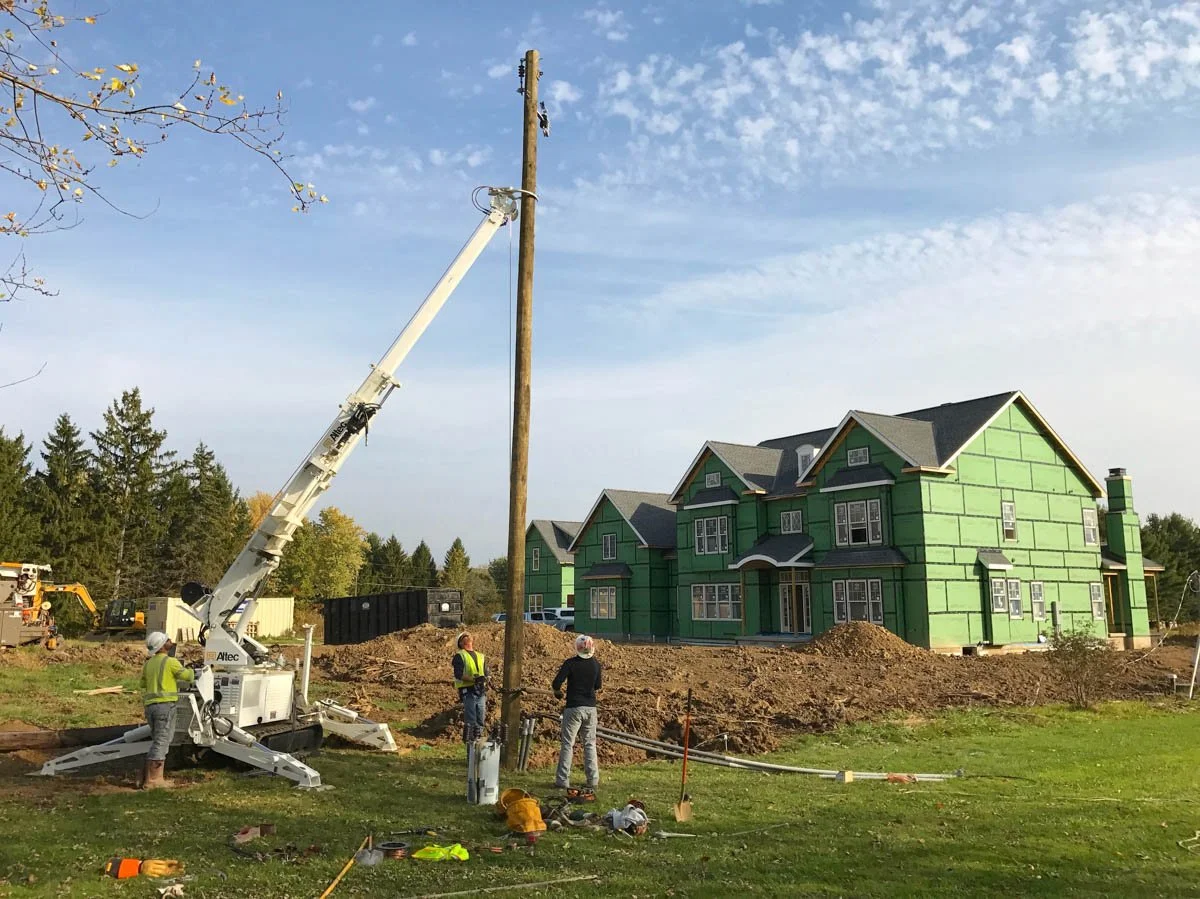
Understanding utility access early can help avoid surprises later in the building process.
Trees, Setbacks, and Site Prep
The features that make a lot feel private and established are often the same ones that add cost and complexity.
How many trees will need to be cleared for the home, driveway, and septic field, if applicable? What are the setback requirements from property lines, roads, and any easements? Are there wetlands, floodplains, or protected areas on or near the lot?
Mature trees are worth protecting where possible, both for the character they add and the cost of removing them. Clearing, grading, and working around setbacks all shape what's actually buildable on a lot.
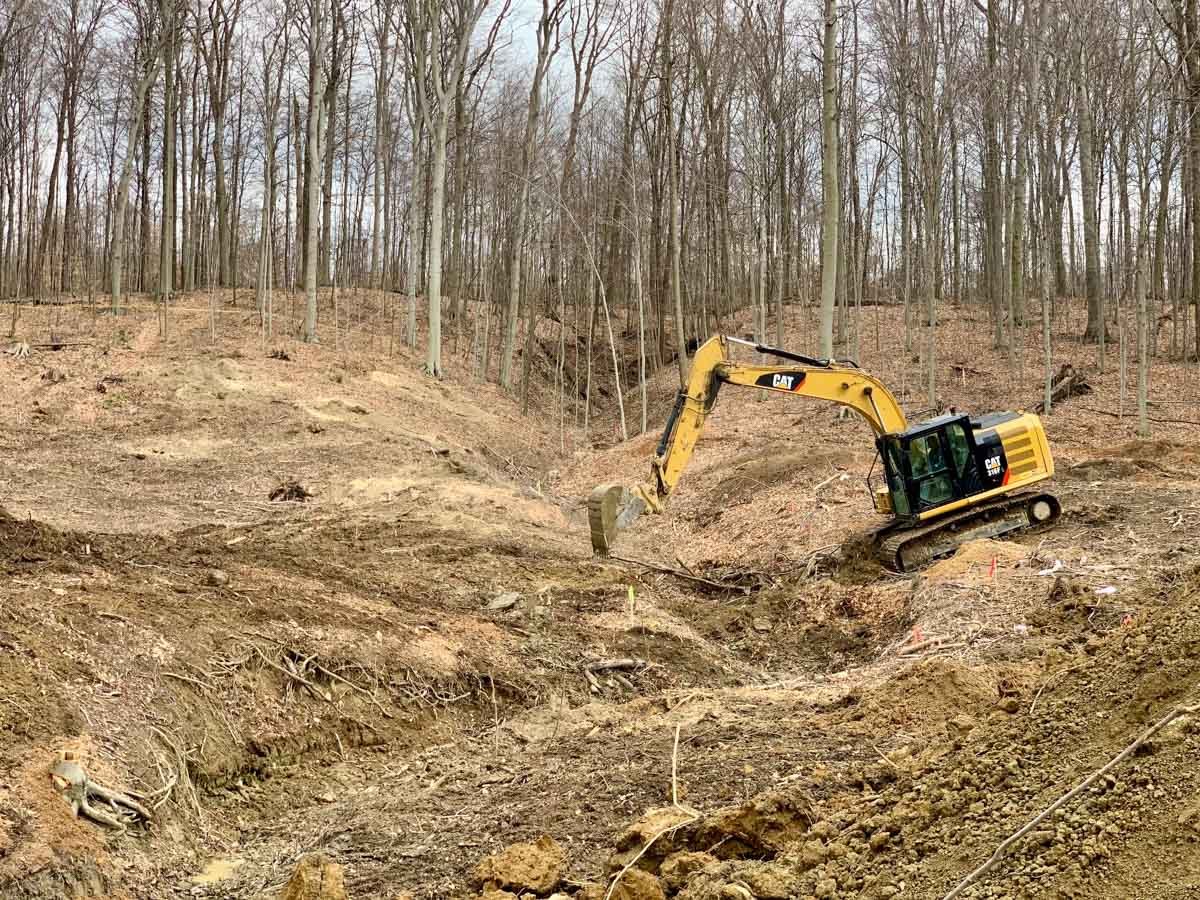
Clearing and grading a wooded lot can shape what's actually buildable long before the foundation goes in.
Zoning and Local Requirements
Every township and municipality in Northeast Ohio has its own rules, and they can affect everything from lot coverage to home size to what you're allowed to build at all.
What's the zoning designation for this lot? Are there restrictions on square footage, height, or architectural style? Does the area have an HOA or architectural review board with its own requirements?
This is one of the easiest things to check before buying, and one of the most common surprises after.
See how we've built custom homes on a variety of Northeast Ohio properties.
Why This Matters Before You Close
Land is one of the few decisions in the custom home process that's very difficult to undo.
Once you've closed on the lot, you're working with what it is. A builder can help you design around a challenging site, but no design can change where the water naturally wants to go.
Knowing preliminary costs and knowing the risk can help you go into a project with confidence. Site preparation, utility connections, and grading are all part of what we walk through in our guide to the hidden costs of building a custom home, and much of that unpredictability traces back to decisions made, or skipped, during the land search.
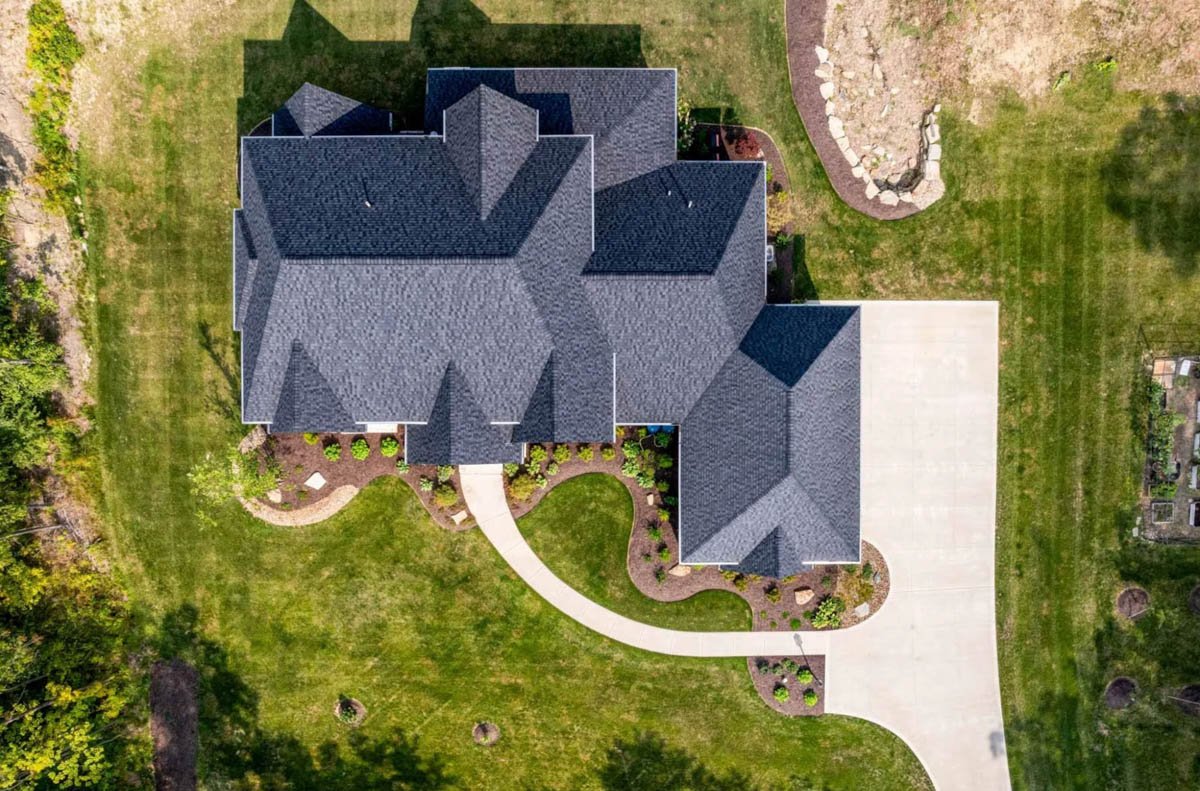
The lot you choose shapes everything that gets built on it — long after the land search is behind you.
Bring Your Builder in Early
The best time to loop in a builder isn't after you've bought the lot. It's before you make an offer.
At EKA Build, land and site evaluation are part of our process, where we get to know your goals and help assess whether a lot is a strong fit before you're financially committed to it.
It's natural to ask, "Is this a good lot?"
But a more useful question is: "Can I build the home I actually want on this property, without surprises?"
If you're searching for land in Northeast Ohio, or you already have a lot in mind and want a second set of eyes on it, contact us to schedule a consultation. A short conversation now can save significant time, money, and stress later.
Frequently Asked Questions
How do I know if land is buildable before I buy it?
Check soil conditions, slope and drainage, utility access, tree coverage, and zoning restrictions. A perc test (for septic suitability) and a conversation with a local builder before closing can catch issues a simple walk-through won't reveal.
What's the difference between a buildable lot and a raw lot?
A buildable lot typically has verified access to utilities (or a viable well/septic solution), meets zoning requirements for your intended home, and doesn't have major site issues like wetlands or unstable soil. A raw lot may need additional work before any of that is confirmed.
Do I need a soil test before buying land in Ohio?
It's strongly recommended, especially for lots with unclear drainage, low-lying areas, or a history of water issues nearby. Soil testing informs your foundation design and can reveal costly surprises before you're committed to the land.
Should I involve a builder before I buy land?
Yes. A builder can help evaluate a lot's site conditions, utility access, and zoning fit before you make an offer, which can prevent costly issues from surfacing after you already own the property.
