
Building a custom home is one of the most meaningful investments you can make. It’s not just about square footage or finishes, it’s about creating a space that supports your life, your routines, and your future.
But alongside that excitement comes an important reality: building a home involves more than the base construction cost.
At EKA Build, we believe that clarity leads to confidence. And when it comes to budgeting, understanding the full picture, especially the less obvious costs, allows you to move forward with both excitement and peace of mind.
This guide walks through the hidden costs of building a custom home, along with practical ways to plan for them.
Start With the Full Scope, Not Just the Build
One of the most common misconceptions in custom home building is that the “build cost” is the total cost. In reality, it’s one piece of a much larger picture.
A well-planned budget should account for everything required to take your home from an idea to a finished, livable space. That includes the land, preparation, design decisions, and the details that bring everything together.
When you approach your budget holistically from the beginning, you avoid the stress of unexpected adjustments later.
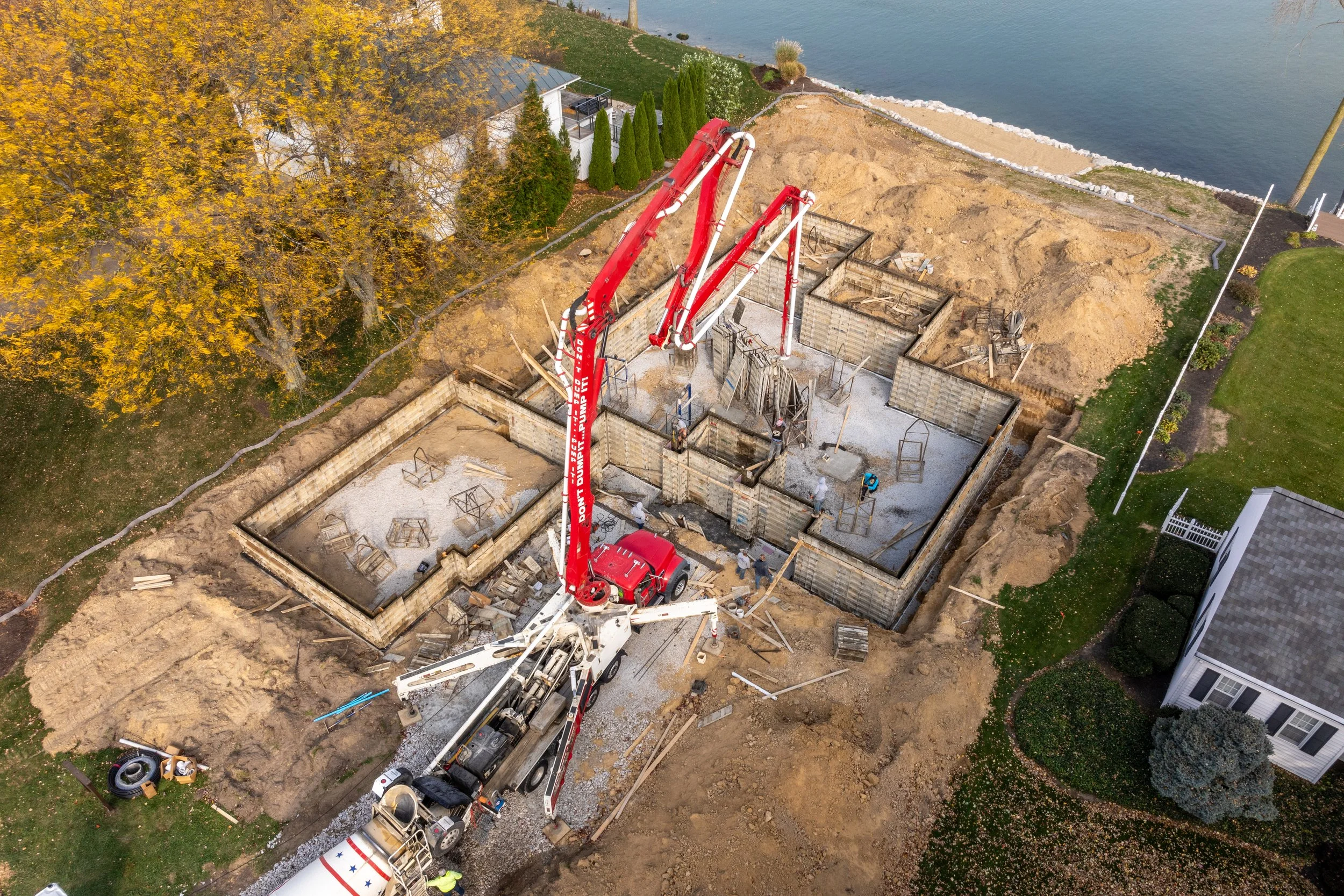
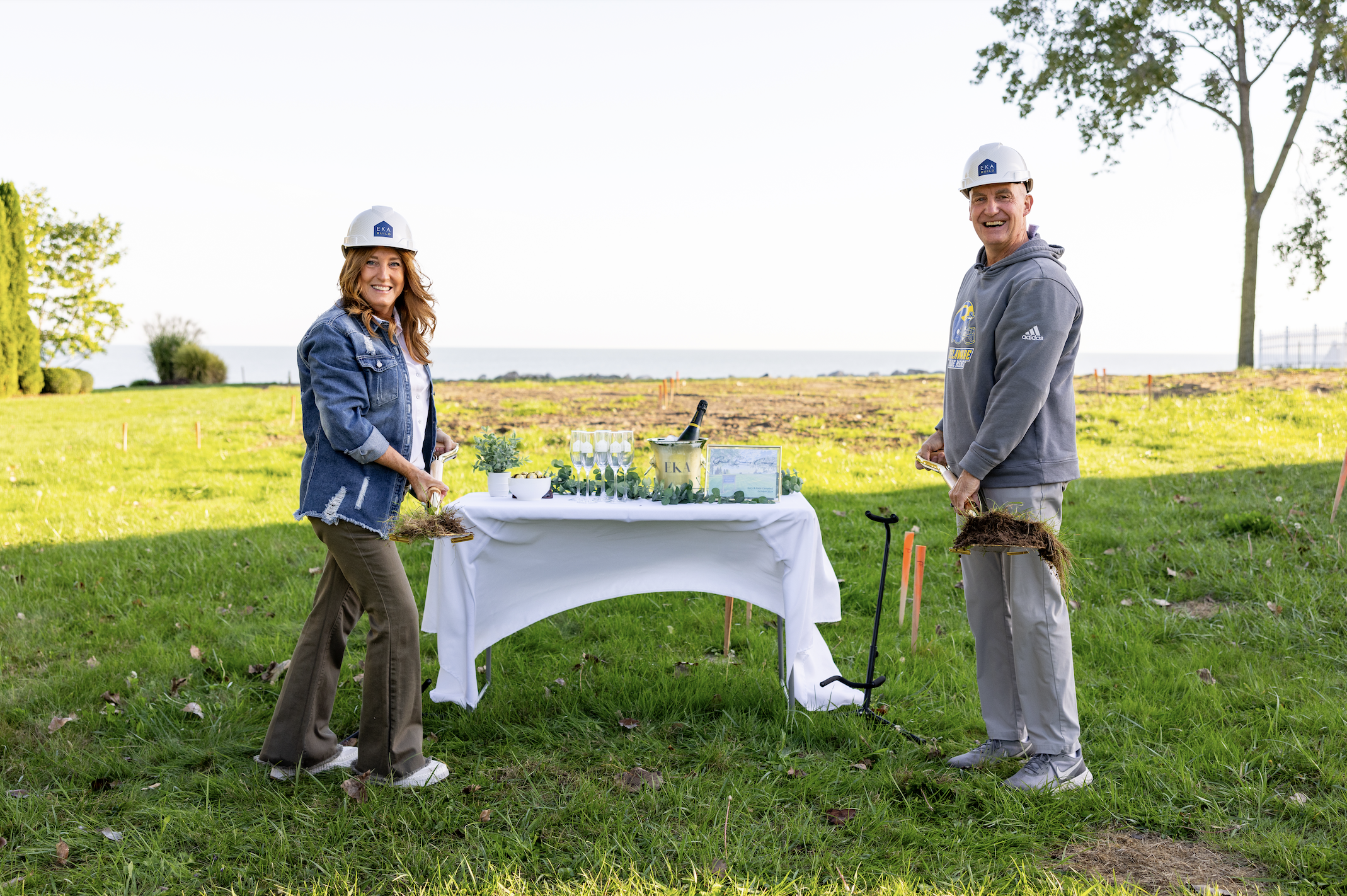
Our Lake Erie Beauty! Site preparation is a key part of building your dream home.
The Hidden Costs to Be Aware Of
Site Preparation: What It Takes to Get Started
Before construction begins, your property may require significant work to make it build-ready.
This can include:
Clearing trees and vegetation
Grading and leveling the land
Soil testing and excavation
Addressing drainage concerns
In Northeast Ohio, where terrain and soil conditions can vary, these steps are especially important. They’re also highly specific to each lot, which is why they’re often underestimated early on.
Utility Connections: Bringing the Home to Life
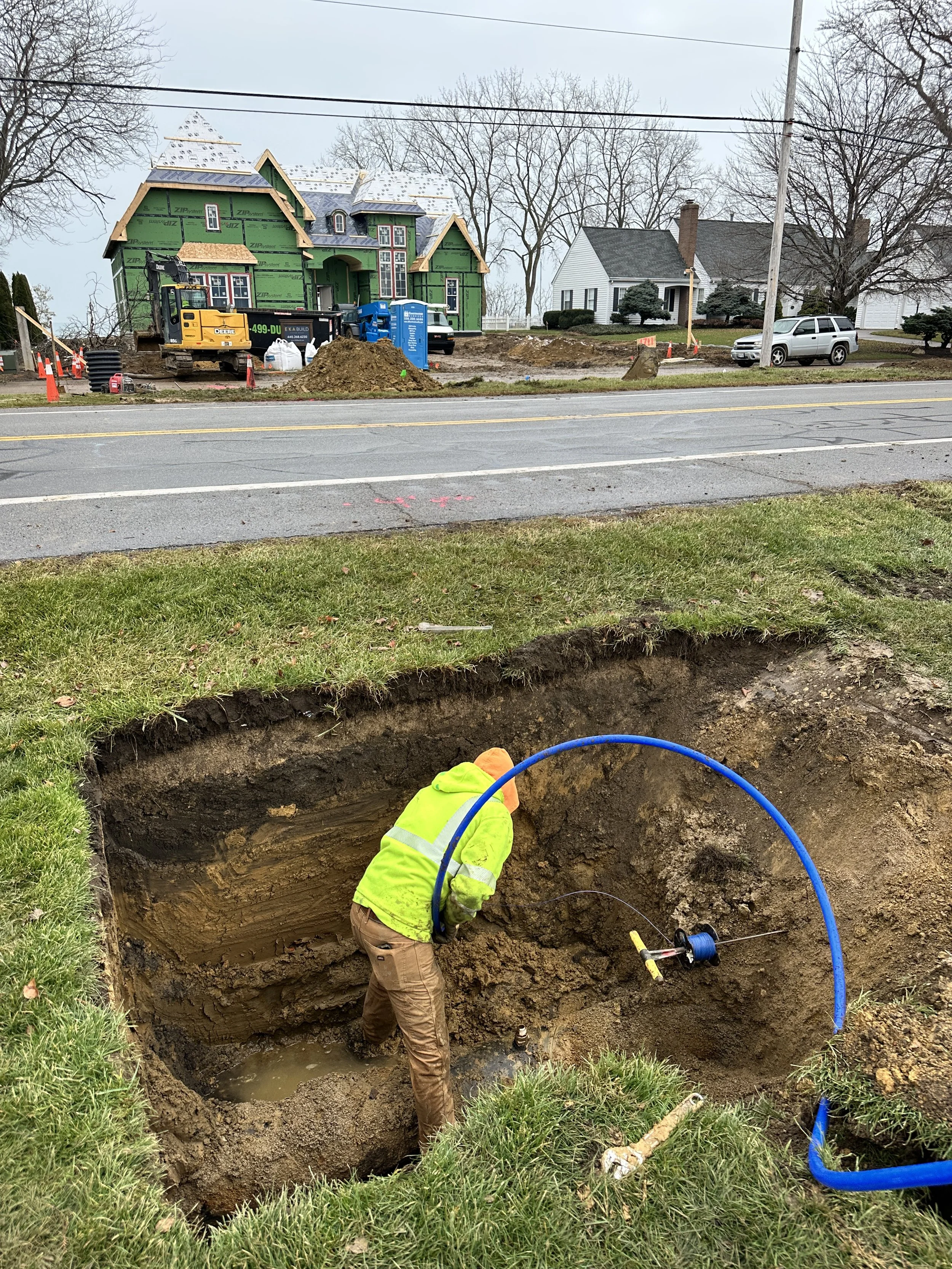
Utilities are essential, but the cost to connect them can vary widely depending on your location.
This may involve:
Water and sewer connections
Septic system installation
Extending gas or electrical lines
Road repairs after utility connections
For homes built on more private or rural lots, these costs can be higher than expected. Planning for them early helps avoid surprises as construction progresses.
Permits, Fees, and Inspections
Every custom home must meet local requirements, and those requirements come with associated costs.
Depending on your municipality, this may include:
Building permits
Impact or development fees
Required inspections throughout construction
While no single fee may stand out, together they become an important part of the overall budget.
Design Changes Along the Way
As your home takes shape, it’s natural to refine your vision.
You may decide to:
Upgrade materials
Adjust layouts
Add features you hadn’t originally planned
These changes are part of the process, but they can increase both cost and timeline if they happen late.
This is where early planning and clear communication make a significant difference. The more decisions that are made upfront, the more control you maintain over your budget.
When we get in the field, we may also find ways to save you money and keep the performance up! See below to find out how we helped a client
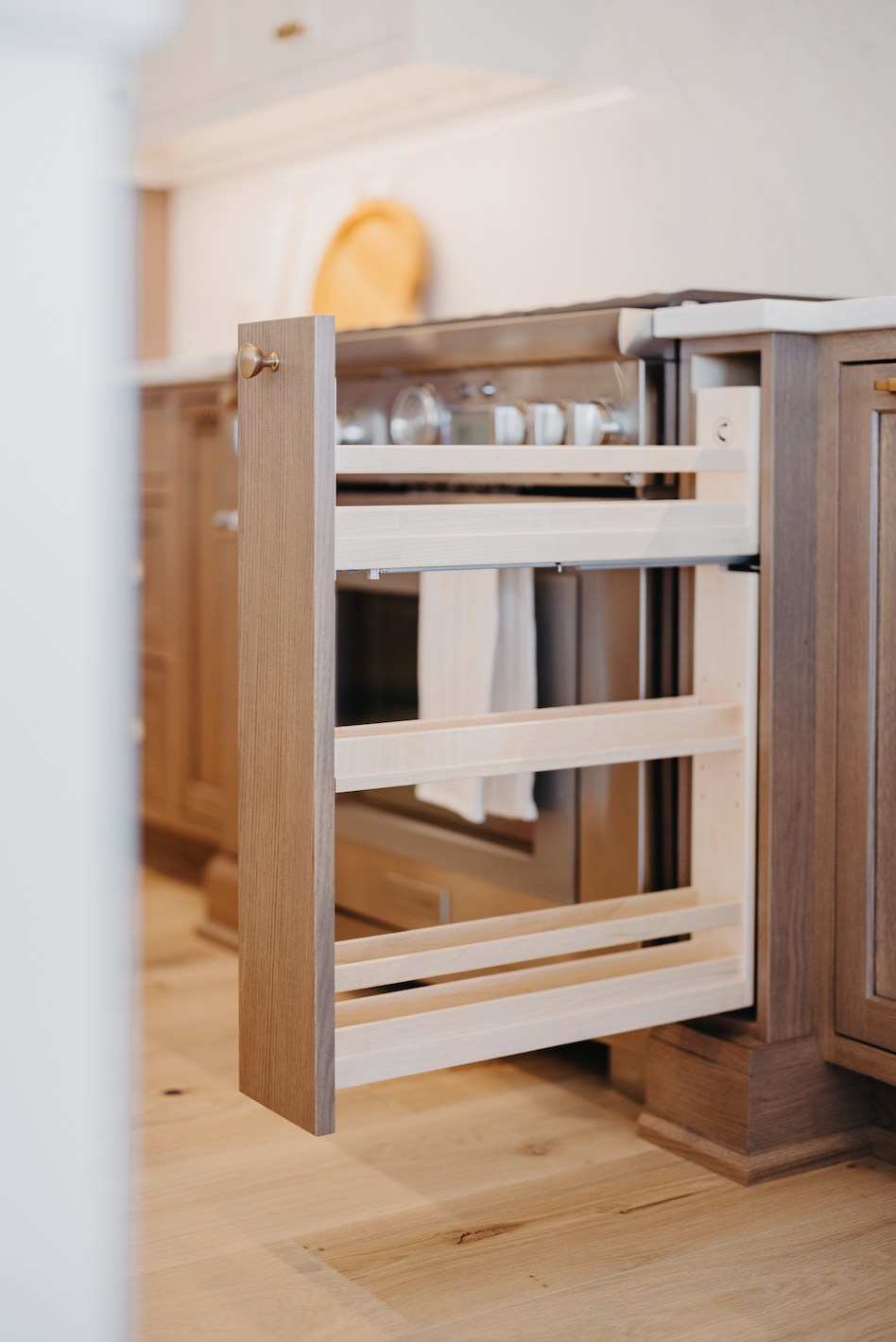
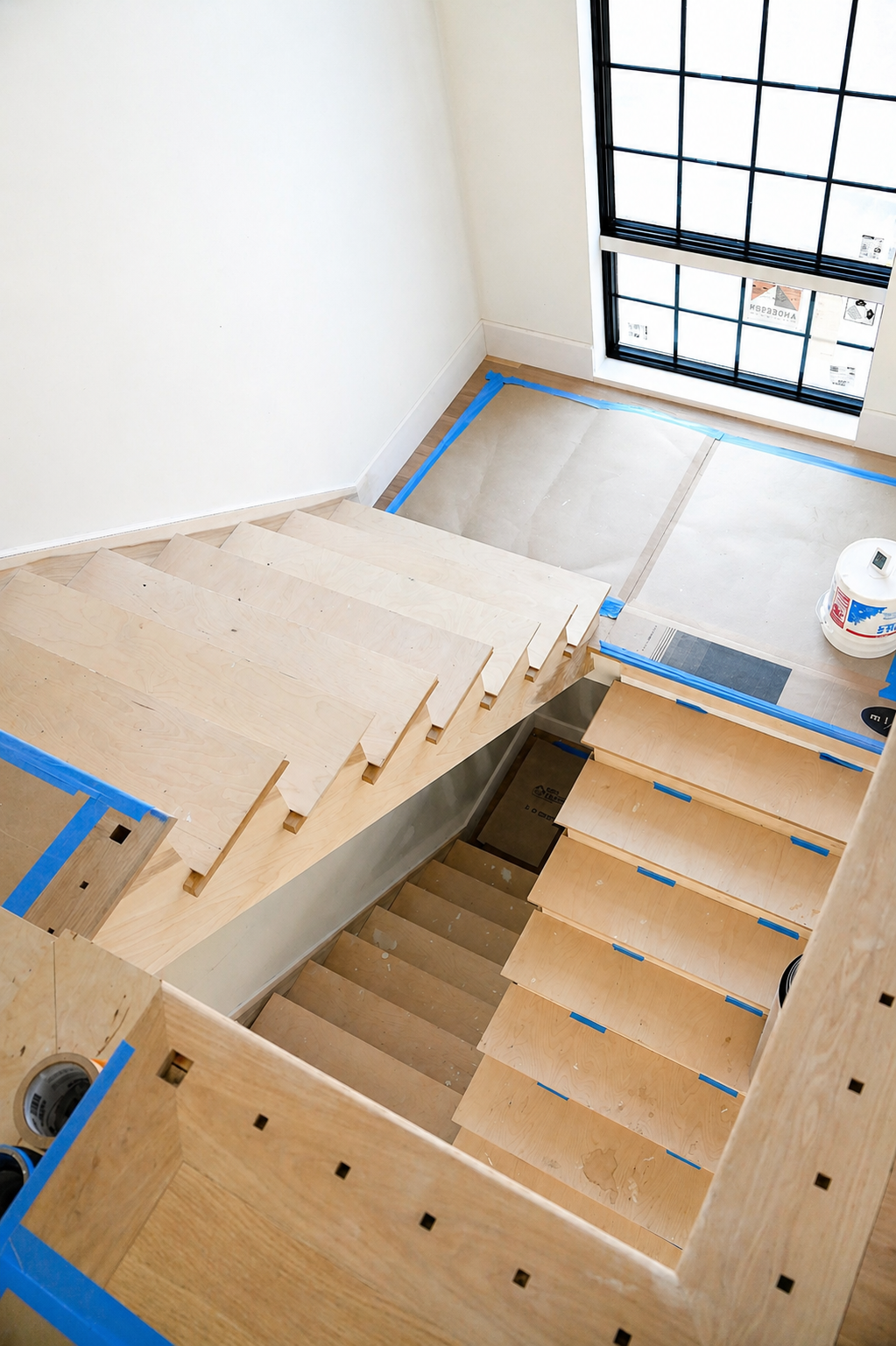
The interior details are the small pieces that make the bigger picture. Plan ahead, be intentional.
Interior Finishes: Where Budgets Often Expand
The finishing phase is where a home truly comes to life, and it’s also where costs can shift quickly.
Selections such as:
Cabinetry
Countertops
Flooring
Lighting and fixtures
can vary widely in price depending on quality, customization, and design.
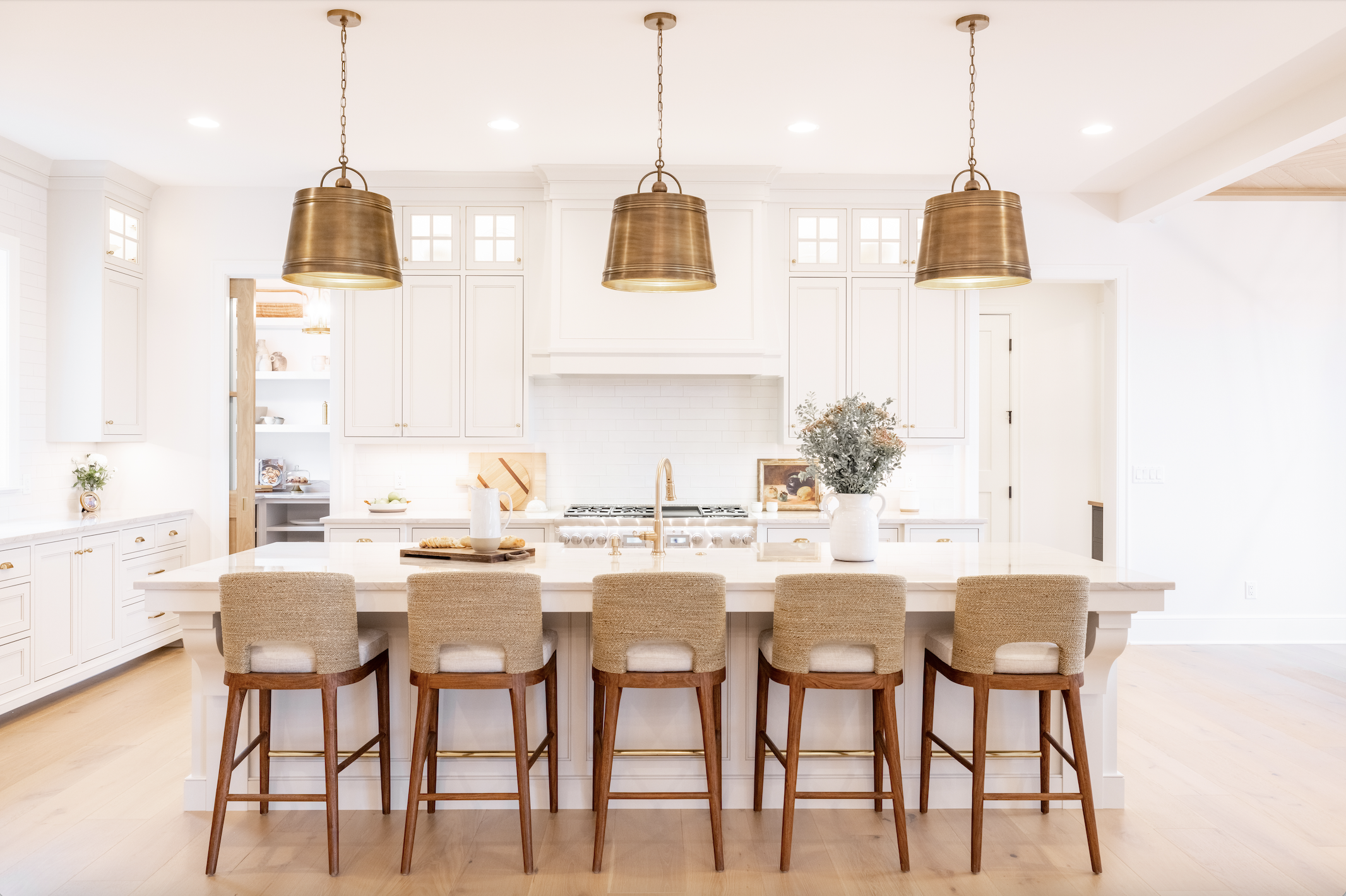
This isn’t about avoiding these upgrades; it’s about being intentional. When you prioritize the features that matter most to your daily life, your investment feels purposeful rather than reactive. Understanding your builders' allowances is important as well. Are you being provided entry-type allowance selections or selections that truly feel custom? At EKA, we feel it’s important to start with realistic custom allowances.
Outdoor Spaces: Completing the Home
It’s easy to focus on the interior, but your home extends beyond its walls.
Often-overlooked costs include:
Driveways and walkways
Patios, porches, or decks
Landscaping and grading
Exterior lighting
In a place like Northeast Ohio, where outdoor living is shaped by the seasons, these spaces play a meaningful role in how your home is experienced. Planning for them up front ensures a more complete and cohesive result.
The Importance of a Contingency
Even with thoughtful planning, there are always variables in construction.
That’s why we recommend setting aside a contingency fund, typically around 1-5% of your total budget.
This allows you to move forward with flexibility, knowing you’re prepared for the unexpected without compromising your overall vision.
How to Plan With Confidence
Understanding potential costs is only part of the equation. The real value comes from how you approach the planning process.
Start With Honest Priorities
Every homeowner has a different vision. For some, it’s a kitchen designed for gathering. For others, it’s a private primary suite or a highly functional mudroom.
Defining what matters most early on allows you to allocate your budget in a way that reflects how you actually live.
Make Decisions Early and Thoughtfully
The earlier the selections are made, the more clarity you have.
Finalizing layouts, materials, and key features during the design phase reduces the likelihood of costly changes later and helps keep the project running smoothly.
Work With a Builder Who Guides the Process
Budgeting isn’t something you should navigate alone.
At EKA Build, we take a hands-on approach, helping homeowners understand not just what things cost, but why. From early planning through construction, the focus is on transparency, communication, and thoughtful decision-making.
The goal is never just to stay “on budget,” but to ensure your investment aligns with your lifestyle and long-term goals.
A Better Way to Think About Cost
It’s natural to ask, “How much will this cost?”
But a more meaningful question is:
“What am I getting for how I want to live?”
A well-built custom home isn’t just a short-term expense; it’s a long-term investment in comfort, functionality, and quality of life.
When budgeting is approached with clarity and intention, it becomes a tool, not a limitation.
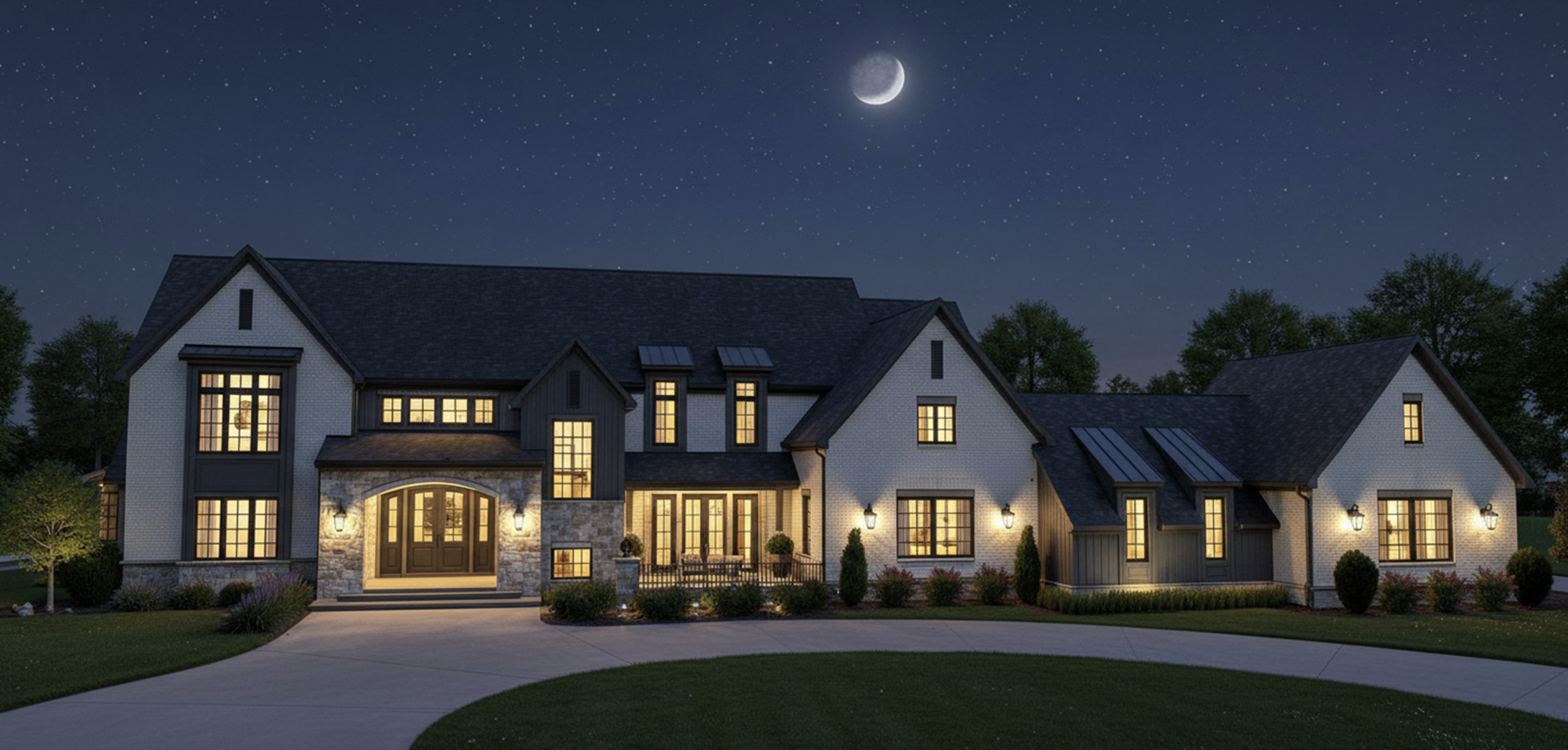
Ultimately, you’re making an investment in your family and your experiences. Don’t let that get away from you!
Building With Clarity and Peace of Mind
At its best, the custom home process should feel exciting, not overwhelming.
With the right planning and the right team, you can move forward knowing that every decision is informed, every detail is considered, and every dollar is working toward a home that truly fits your life.
At EKA Build, that’s what the process is built around: guiding you from the first conversation to long after move-in day, with a focus on quality, care, and homes designed to last.
