
Understanding the Custom Home Building Process: A Beginner’s Guide
Building a custom home is one of the most exciting investments a family can make. Unlike buying an existing house, custom home construction allows you to create a space that reflects your lifestyle, priorities, and long-term goals from the very beginning. But for many homeowners, the process can also feel overwhelming at first.
Between choosing the right builder, making design decisions, managing timelines, and understanding the construction process, it’s natural to have questions about what to expect.
The good news is that building a custom home becomes much more manageable when you understand the process step by step. Whether you’re planning a forever home, expanding your living space, or starting fresh on a new property, having the right team and a clear roadmap can make all the difference.
Here’s a beginner-friendly guide to understanding the custom home building process and what homeowners should know before getting started.
The Process
Step 1: Finding the Right Custom Home Builder
The first step in any successful custom home project is choosing the right builder. Since you’ll be working closely together for months throughout planning and construction, it’s important to find a team that communicates well, understands your goals, and has experience with projects similar to yours.
When researching a custom home builder, look beyond just photos of finished homes. Take time to read testimonials, review portfolios, and ask questions about their process. A strong builder should be transparent about timelines, budgets, communication, and what level of involvement you can expect throughout the project.
It’s also important to find a company whose values align with your own. Some homeowners prioritize highly personalized service, while others focus on energy efficiency, craftsmanship, or modern design. The best partnerships happen when homeowners and builders share the same priorities.
For homeowners in Northeast Ohio, working with a builder who understands the local climate, permitting requirements, and architectural styles can also help the process move more smoothly.
Step 2: Discovery and Initial Planning
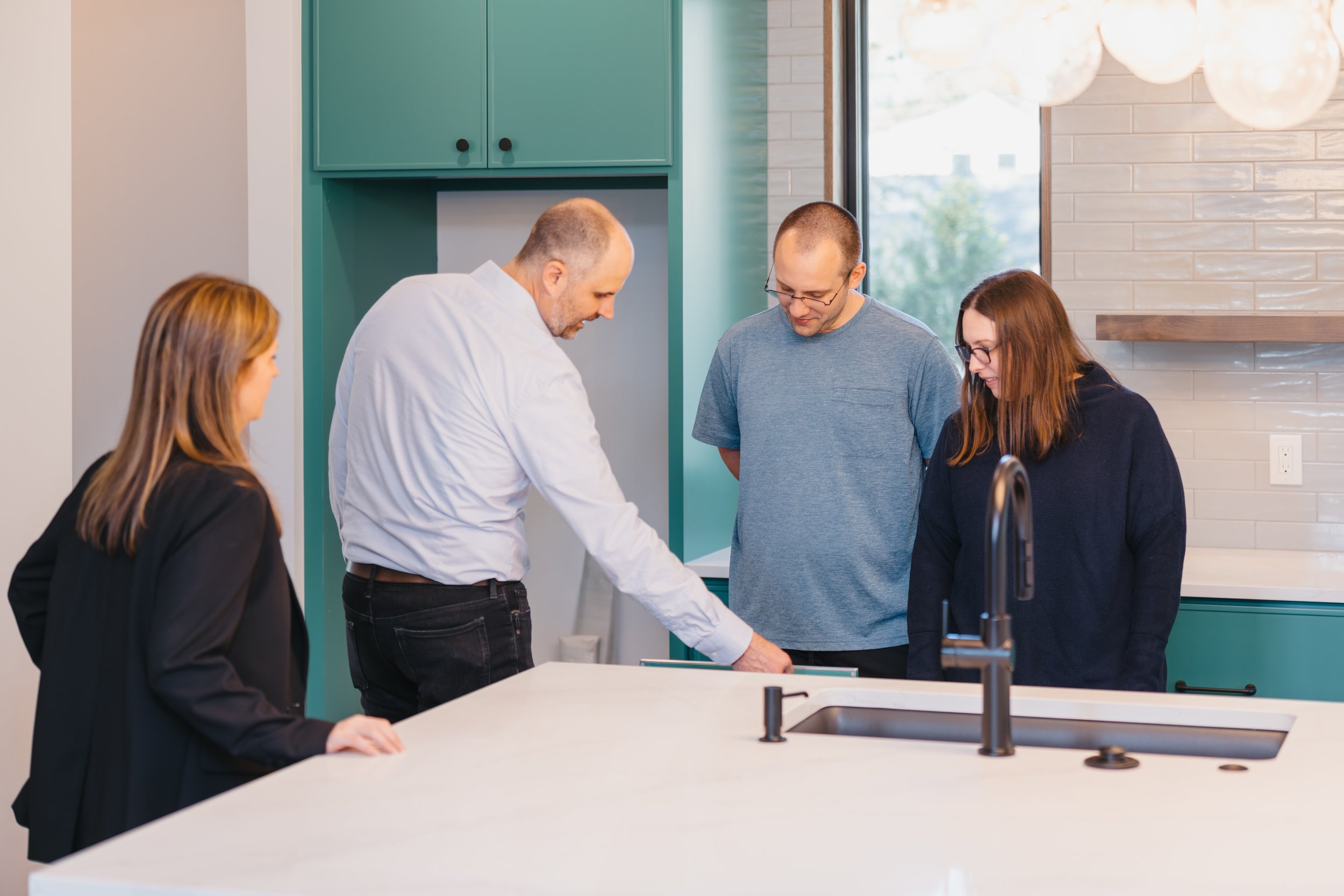
Before design work begins, most custom home projects start with conversations about your goals, needs, and vision for the home.
This early stage is all about discovery. Your builder will typically discuss:
Your preferred home style
Desired square footage and layout
Budget expectations
Timeline goals
Lot conditions or property considerations
Must-have features and priorities
This phase is important because it establishes the foundation for the entire project. Clear communication early on helps avoid surprises later and ensures that the design reflects how you actually want to live in the space.
For example, a family with young children may prioritize open gathering spaces and durable materials, while empty nesters may focus more on accessibility, low-maintenance living, or entertaining areas.
A thoughtful builder will take time to understand not only how you want your home to look, but also how you want it to function day to day.
Step 3: The Home Design Process
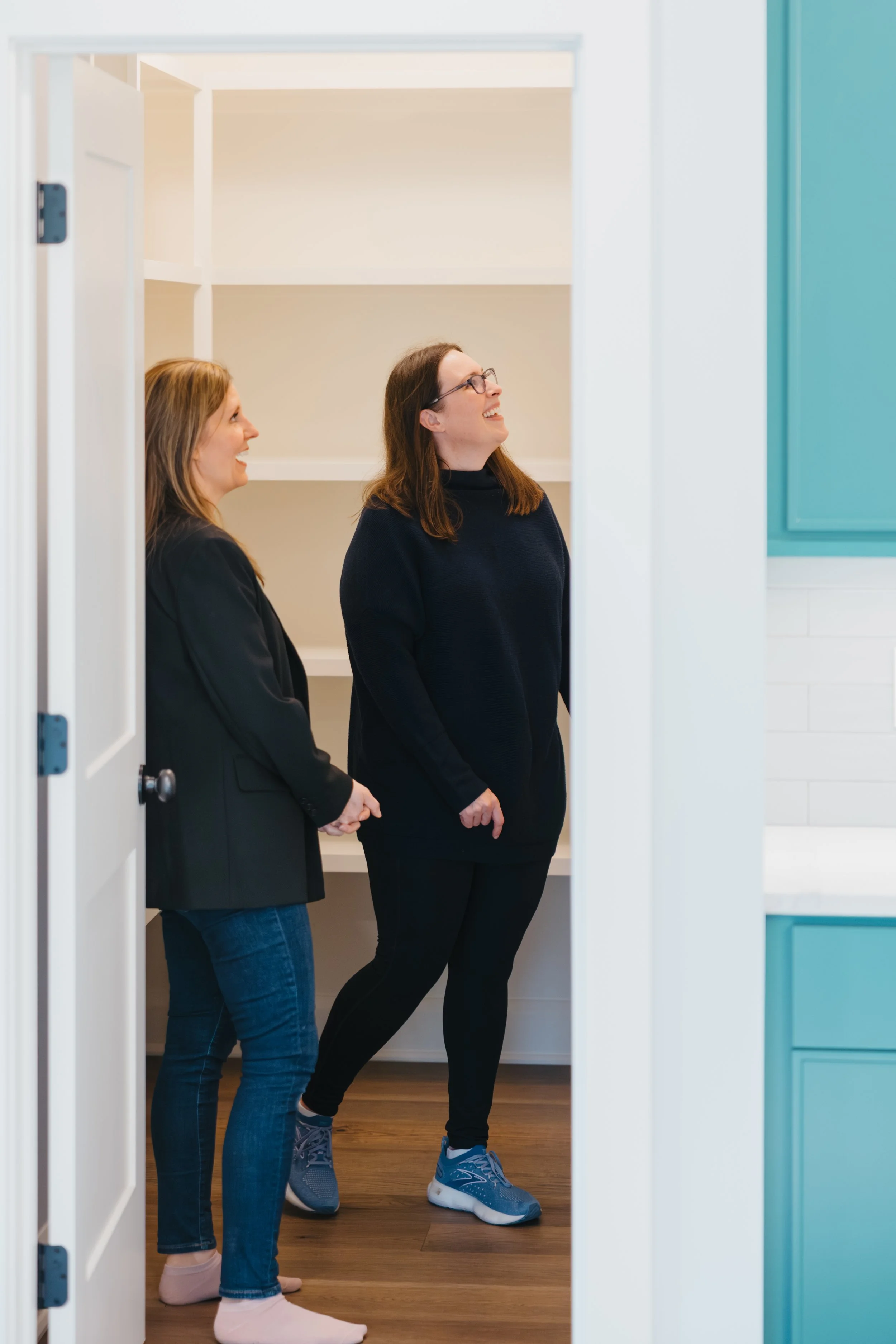
Once the initial planning stage is complete, the design phase begins. This is where ideas start turning into floor plans, elevations, and material selections.
Many homeowners already have inspiration photos or general ideas before starting the process, but translating those ideas into a functional home takes collaboration between the builder, architect, and design team.
During this phase, homeowners typically work through:
Floor plan development
Exterior design concepts
Interior layouts
Cabinetry and storage planning
Lighting considerations
Material and finish selections
Window placement and natural light
Kitchen and bathroom design
Outdoor living spaces
The design phase often involves revisions and adjustments as details are refined. This is completely normal and actually one of the biggest advantages of custom home construction. Instead of forcing your lifestyle into a preexisting layout, the home is tailored specifically around your needs.
A proactive design approach can also help homeowners make better long-term decisions. Thinking ahead about storage, furniture placement, traffic flow, and future family needs can improve both functionality and resale value.
Step 4: Budgeting and Project Transparency
One of the biggest misconceptions about custom homes is that homeowners lose visibility into costs once construction begins. In reality, a well-organized custom home building process should provide ongoing transparency throughout the project.
Before construction starts, builders typically create detailed project estimates and construction agreements that outline the scope of work, allowances, timelines, and expectations.
As selections are finalized, homeowners should understand:
What is included in the budget
Which materials or finishes may affect pricing
Potential upgrade costs
Construction timelines
Scheduling milestones
Good communication during this stage is critical. The more organized and transparent the process is upfront, the smoother the construction phase tends to be.
Many modern custom home builders also use online portals or project management tools that allow homeowners to track selections, schedules, approvals, and updates in real time.
Step 5: Breaking Ground and Beginning Construction
Once permits are approved and plans are finalized, construction officially begins.
This is often the most exciting phase for homeowners because they can finally see the vision taking shape. Depending on the size and complexity of the home, construction timelines can vary significantly, but most custom homes progress through several major stages:
Site preparation and excavation
Foundation work
Framing
Roofing and exterior installation
Mechanical systems (HVAC, plumbing, electrical)
Insulation and drywall
Interior finishes and cabinetry
Flooring, painting, and trim work
Final installations and detailing
Throughout construction, regular communication between the builder and homeowner is essential. Site walkthroughs, progress meetings, and consistent updates help ensure everyone stays aligned.
A quality builder will also pay close attention to craftsmanship behind the walls, not just the visible finishes. Structural integrity, moisture management, insulation, ventilation, and energy efficiency all play major roles in the long-term performance of the home.

Step 6: Energy Efficiency and High-Performance Building
Today’s homeowners are increasingly interested in homes that are not only beautiful, but also efficient, durable, and comfortable.
Modern building science has transformed the way custom homes are designed and constructed. Features like advanced insulation systems, high-performance windows, airtight construction, and improved ventilation can help create homes that maintain more consistent temperatures, reduce energy costs, and improve indoor comfort.
High-performance homes are designed with long-term durability in mind. Proper airflow and moisture control can help protect against common issues like mold, drafts, and premature wear.
For homeowners, this often means:
Lower monthly utility costs
Improved indoor air quality
Greater comfort year-round
Reduced maintenance needs
Better long-term value
While homeowners may not always see these systems after construction is complete, they are often some of the most important investments made during the building process.
Step 7: Final Walkthroughs and Move-In
As construction wraps up, the project enters the final walkthrough and punch list phase.
During this stage, homeowners walk through the completed home with the builder to review finishes, systems, and final details. Any remaining adjustments or touch-ups are documented and completed before move-in.
This phase is also an opportunity for homeowners to learn more about how the home operates, including HVAC systems, maintenance recommendations, warranties, and smart home features.
Once everything is complete, the keys are handed over and the home officially becomes yours.
For many families, this is more than just the end of a construction project. It’s the beginning of new routines, milestones, gatherings, and memories in a space built specifically around their lives.
Building With Confidence
Building a custom home may seem complex at first, but with the right builder and a well-organized process, it can be an incredibly rewarding experience.
From early planning and design to construction and move-in day, every stage plays a role in creating a home that reflects your lifestyle and priorities.
The best custom home builders don’t simply construct houses; they guide homeowners through the process with communication, transparency, and attention to detail every step of the way.
For homeowners considering a custom home or renovation project in Northeast Ohio, understanding the process is the first step toward building a home designed to last for generations.
